Why Most CPG Brands Fail in 5 Years
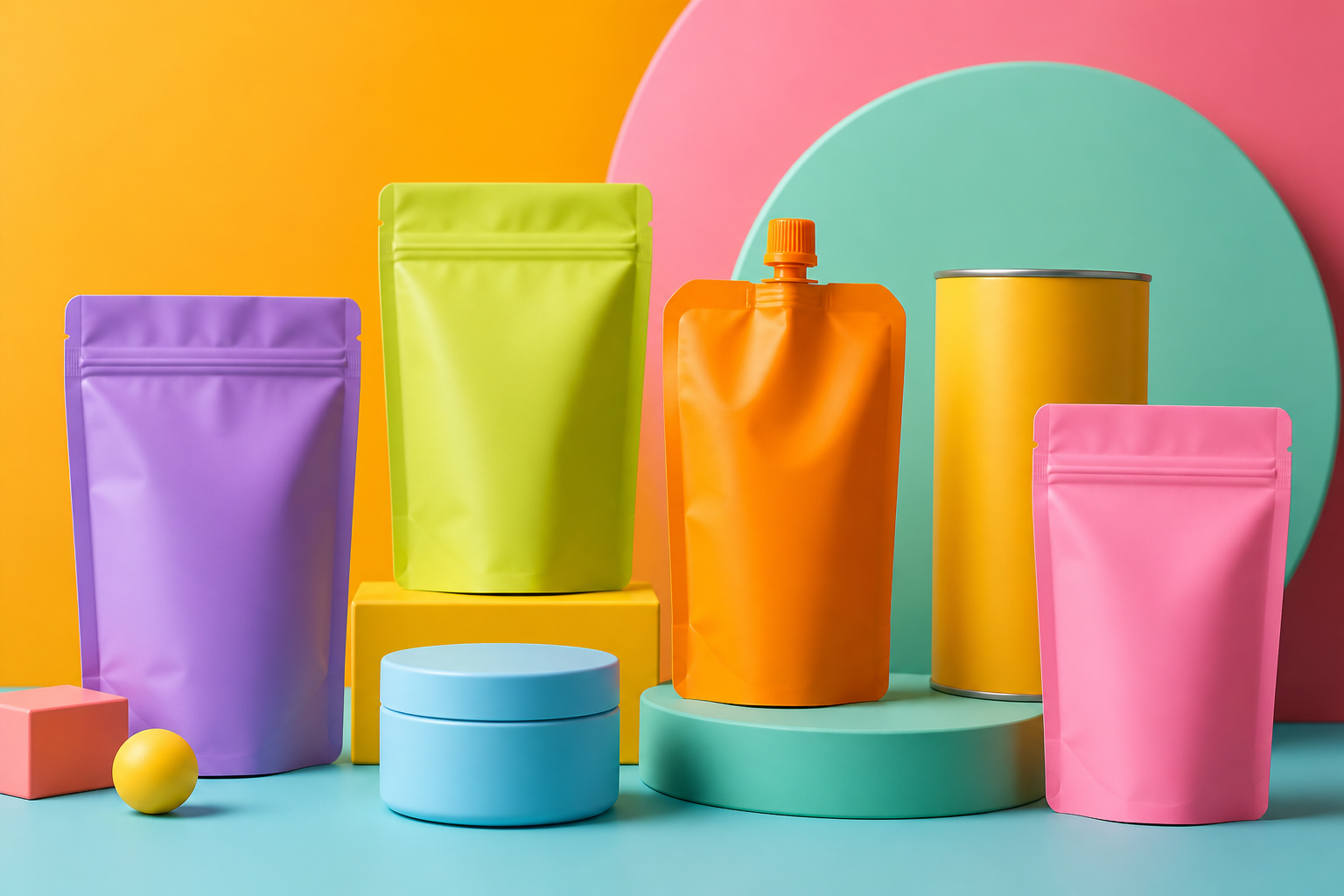
Walk into any grocery store and look at the shelf.
Most of those brands will not be there in a few years.
Not because they are bad ideas.
Not because the founders did not care.
Most of them were never clearly chosen.
How Long Do CPG Brands Last?
You have probably heard that 80% of CPG brands fail.
That number is not wrong, but it is oversimplified.
What actually happens looks more like this:
Around 20 to 30 percent fail in the first 2 years
Over 50 percent are gone by year 3
Around 70 to 80 percent fail or stall by year 5
The important part is this:
Most CPG brands do not fail overnight.
They slowly lose momentum over 2 to 5 years.
Top 5 Reasons CPG Brands Fail
1. No real product market fit
If your product does not solve a strong problem or create a clear benefit, people might try it once but they will not come back.
Low repeat purchase is one of the earliest signs a brand is in trouble.
2. Poor unit economics and cash flow issues
A lot of brands are selling but still losing money.
Between production, distribution, retailer margins, and promotions, the numbers get tight fast.
If your margins are not strong, growth can actually hurt you.
3. Weak differentiation and unclear positioning
This is where most brands quietly lose.
If a customer cannot quickly understand:
what the product is
who it is for
why it is different
they move on.
On shelf or online, you have a few seconds to communicate all of that.
If you do not, you get ignored.
4. Distribution and channel mistakes
Getting into retail too early is one of the biggest mistakes.
Retail expects velocity. If your product does not move, it gets pulled.
The same goes for Amazon and DTC. Each channel requires a different system.
Distribution does not fix weak brands. It exposes them faster.
5. No repeat purchase system
Sustainable CPG brands are built on repeat customers.
If your business depends on constantly finding new customers, it becomes expensive and unstable.
Retention is what makes the model work.
The Pattern Behind Most CPG Failures
All of these issues connect back to one thing:
The brand does not create enough clarity, trust, or reason to choose.
That shows up as:
low conversion
poor shelf performance
high customer acquisition costs
weak retention
What Actually Helps CPG Brands Survive
The brands that last usually get a few core things right:
Clear product understanding within seconds
Strong and consistent recognition across SKUs
A clear reason to choose the product
Design that works both on shelf and online
Most CPG brands do not fail because the idea was bad.
They fail because they were never clearly understood or chosen.
And in CPG, that is everything.